How to seek help

Chances are if you’re reading this, you’re struggling, and you want help, but you’re not sure of how to approach your parents/spouse/other family member. To begin with, pat yourself on the back, because it is such a brave thing to say, ‘Yes, I’m struggling, and I need help.’ Then identify a trusted confidante. This need not be the person who is necessarily going to pay your bills, but someone who you know has the negotiating power, like say, a teacher, a sibling, a family friend, a godparent, an uncle or aunt.
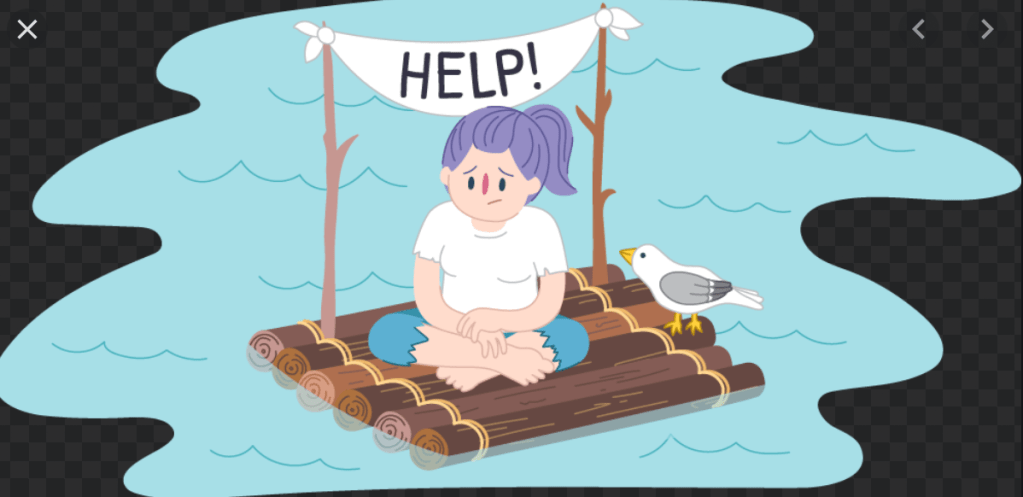
Tell them that you’re struggling and that you need professional support. Open your heart out to them, tell them of how you’ve grappled with issues for a while and how you feel professional help can aid you better in recovering. If they don’t have a nuanced understanding of mental health, draw analogies so they understand better. Explain to them how the brain is just another organ, that is fallible and vulnerable to fall ill just as much as any other part of the body.

Once they understand or get a sense of what you’re going through, ask them to broach this subject with the person who has to pay your bills. If you think you can do this without a mediator, then try to draw analogies so your family grasps this idea of being mentally ill. Talk about how your functionality is impaired and how you’re trying hard enough. This is important because a lot of times, being mentally ill is brushed off as a sign of laziness, of not trying hard enough and because unlike a fever, you can’t see it, it is difficult to be taken seriously.

Lastly, I am really sorry that you’ve to go through this. No one should have to go through this utterly harrowing experience and be denied access to help. Know that it is your right to want to lead a happy life and to ask for help isn’t a privilege, it is a basic right.
Being Bipolar

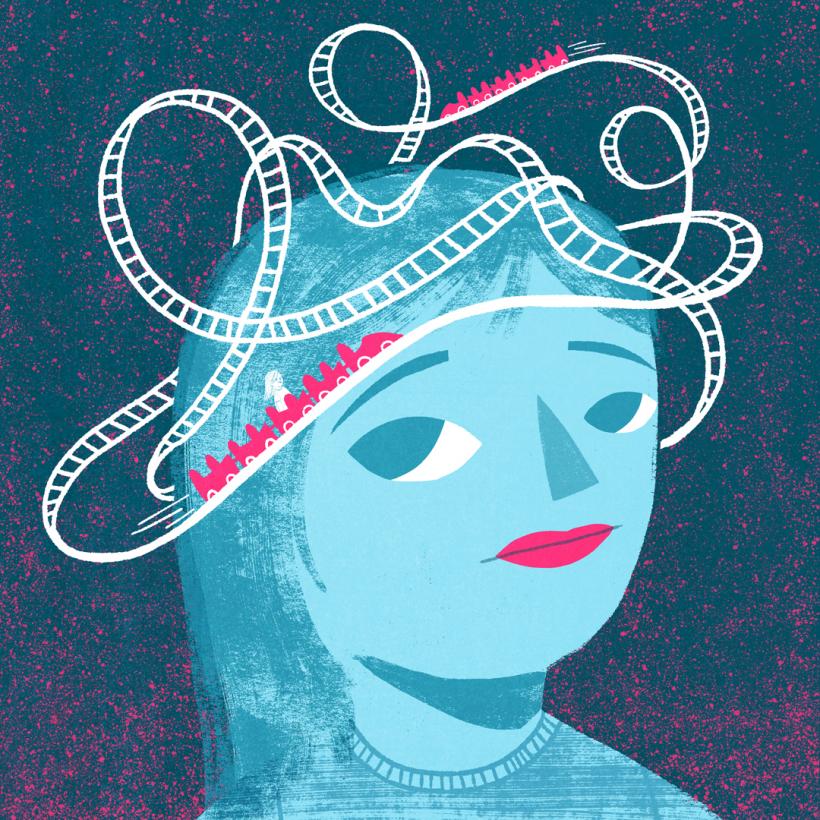
Dealing with the diagnosis of bipolar disorder can be overwhelming, sometimes even debilitating. Partially because of the stigma and shame attached to it and partially because of the ominous sense of fear that the name harbours. But what I have come to realise over time, is that the diagnosis doesn’t change who I am, instead, it explains who I am. Yet, I feel like a different person post my diagnosis.

I feel less like myself, and more like my illness. Or maybe that’s the nature of this illness. Where lines begin to blur into a haze, where reality and thoughts amalgamate so seamlessly that there is no mind separating the two of them and where everything feels so real and unreal at once. Every action I do makes me wonder if this is a consequence of my illness or a of a simple thought carried out as a mere human.

I mistake my happiness for a hypomanic episode, my lows for a depressive episode, I over-analyse, too afraid to miss the red flags, and probably engineer problems that never existed to begin with. Sometimes, I even wonder if I am fabricating all of this. I don’t know what’s real on most days.

If you’re a neurotypical reading this, you probably think I’m just over-thinking. Everyone has mood swings, everyone feels happy and sad at different times. But no, no, no, no, it is very different in our heads. Happiness feels like a sunny day where you put on a nice floral dress, paint your nails, hop onto a bus and go sightseeing. And sadness feels like a cold winter morning where the air is so frigid that you’d rather hold your pee in and stay under the blanket. It’s intense, and that’s the difference between you and me.

And if you are someone who has recently been diagnosed, know that this illness can be god awful, it will push you to places you’d never be able to fathom, it will bend you till you break, but it will also be equally rewarding. Every harrowing depressive episode will end and a manic/hypomanic spell will light your universe up. And that mania is addictive. Once you get a taste of it, you’ll never want this illness to go away. And with the right medication and therapy, you can learn to make the most of this illness.

When people hear ‘bipolar’, they think of ‘delirium’, ‘madness’, ‘eccentricity’, but what they don’t realise is that with this ‘madness’, comes an insane amount of creative energy, deep empathy, and awe-inspiring courage.

If you’re bipolar or you know someone with bipolar disorder, tell me what you think!

Hello there, how did you end up here?

Whatever brings you here, I hope this place makes you feel like you belong. That you are not alone and that you are competent, bright and worthy of all the love and good luck.

I am Milana, a 20 something year old with a diagnostic list that is waaay bigger and brighter than her future (haha, I was just trying to be funny, but clearly, I’m failing at it)

This page is not meant to be a substitute for professional help, for, I’m neither trained nor qualified to do so, but it is a place where fellow caregivers/neurotics/psychotics/survivors/mental health activists can congregate and celebrate neurodiversity.

And if no one ever stumbles upon this page, then let this just remain my public diary.

Design a site like this with WordPress.com
Get started